
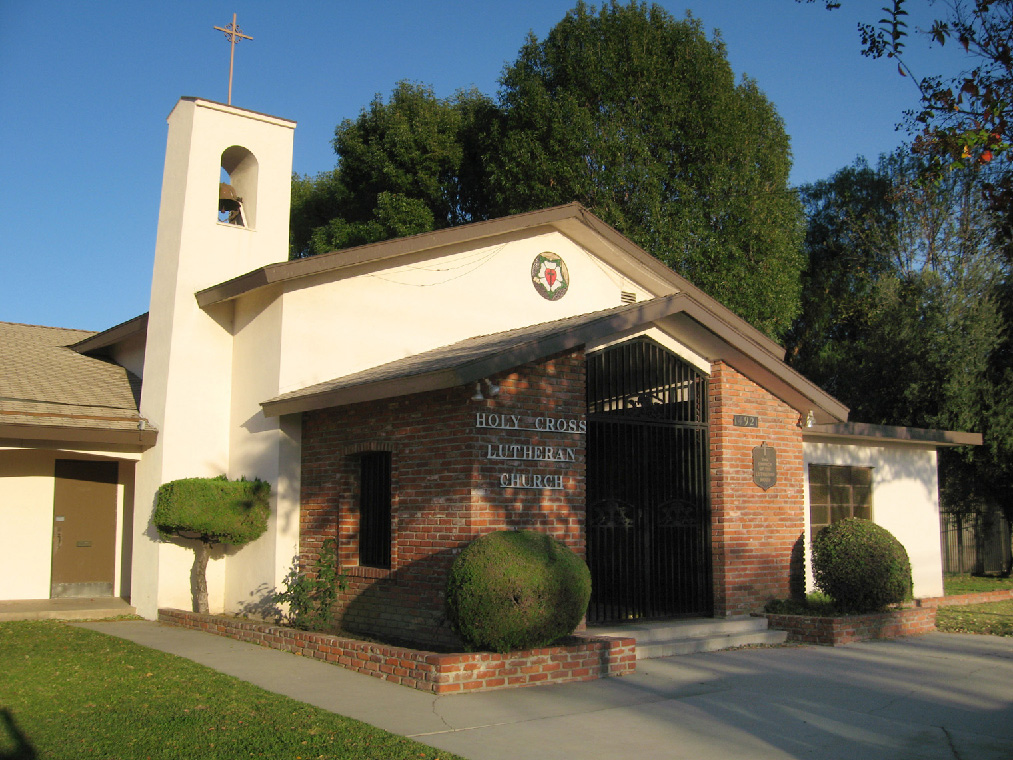
California church property tax exemption rules can be confusing, especially when churches share their property with schools or ministries. Understanding how R&T Code §214.6 works is essential for protecting your exemption and avoiding unexpected tax assessments.
The question that should guide every church is simple:
Does sharing our property put our property‑tax exemption at risk?
In California, the answer depends entirely on how the relationship is structured. And the statute at the center of this issue—Revenue & Taxation Code §214.6—is widely misunderstood, even by experienced nonprofit leaders.
Why §214.6 Exists—and Why It Creates Problems
California gives churches a strong exemption for property used exclusively for religious purposes. The moment a church gives another organization exclusive possession of any part of its property—whether a classroom, an office, a parking area, or an entire building—the assessor may treat the arrangement as a commercial lease. Once that happens, the religious exemption for that portion of the property is lost.
This is the point where §214.6 becomes relevant.
What §214.6 Actually Does
Section 214.6 is not a primary exemption. It is a fallback. It only comes into play after a church has already lost its religious exemption for the space being used.
The statute says that if a nonprofit leases property to another qualifying nonprofit or public agency, the property may remain exempt only if the rent charged does not exceed the ordinary and necessary expenses of operating the property. These expenses include things like utilities, maintenance, insurance, and repairs.
But there is a critical limitation: donations do not count as operating expenses. The assessor looks strictly at property‑related costs, not tithes, offerings, or general giving.
This is where churches often get into trouble. Most churches do not have operating expenses high enough to match the rental income they receive from a school or nonprofit. Once a church falls into §214.6, it becomes very easy to lose the exemption for the leased portion of the property.
Churches Can Avoid §214.6 Entirely
There is a path that allows churches to partner with schools and ministries without ever triggering §214.6.
If the partner organization is religious in nature and the church retains control over the space, the church can maintain its religious exemption. In that scenario, §214.6 never applies. The rent‑versus‑expenses test becomes irrelevant, donation revenue doesn’t matter, and the exemption remains intact.
The key is ensuring that the church does not grant exclusive possession. The arrangement must reflect shared use, ongoing church control, alignment of ministry purposes, and the ability for the church to revoke the arrangement if needed. In other words, the relationship must function as a license, not a lease.
Where Churches Commonly Slip
Most exemption problems arise not from the partnership itself, but from the written agreement governing it. Churches often unintentionally draft documents that look and function like commercial leases. Language granting exclusive use of classrooms or offices, fixed rent schedules, or automatic renewal options can all signal to an assessor that the arrangement is a lease—even if the document is labeled something else.
Once an agreement “walks like a lease and talks like a lease,” the assessor will treat it as one.
A Better Approach: The Shared‑Use Religious License
A properly drafted shared‑use religious license keeps the church within the religious exemption by preserving church control and ensuring that the use remains tied to religious purposes. The church retains the right to revoke the arrangement, the partner organization’s activities align with ministry objectives, and any payments are tied to shared costs rather than commercial rent.
This structure avoids the pitfalls of §214.6 entirely and keeps the church safely within the boundaries of the religious exemption.
Note:
R&T Code §214.6 is not a tool churches should rely on. It is a safety net for nonprofits that have already lost their exemption. Churches should aim to avoid §214.6 altogether by structuring their partnerships as shared‑use religious licenses rather than leases.
If your church partners with a school, ministry, or nonprofit—or is considering doing so—now is the time to review your agreements. A few pages of careful drafting can protect decades of property‑tax exemption.
Please see our other related articles
Disclaimer: Every situation is different and particular facts may vary thereby changing or altering a possible course of action or conclusion. The information contained herein is intended to be general in nature as laws vary between federal, state, counties, and municipalities and therefore may not apply to any given matter. This information is not intended to be legal advice or relied upon as a legal opinion, course of action, accounting, tax, or other professional services. You should consult the proper legal or professional advisor knowledgeable in the area that pertains to your particular situation.
