
California’s 2026 legislative cycle introduces several important laws that reshape commercial real estate ownership, redevelopment potential, and the strategic timing of a sale. While these updates do not change the mechanics of selling a commercial property—such as disclosures or escrow procedures—they significantly affect valuation, buyer demand, redevelopment feasibility, and long‑term holding strategy.
These changes are especially relevant for churches, religious organizations, and nonprofit property owners evaluating whether to sell, ground‑lease, or redevelop their property.
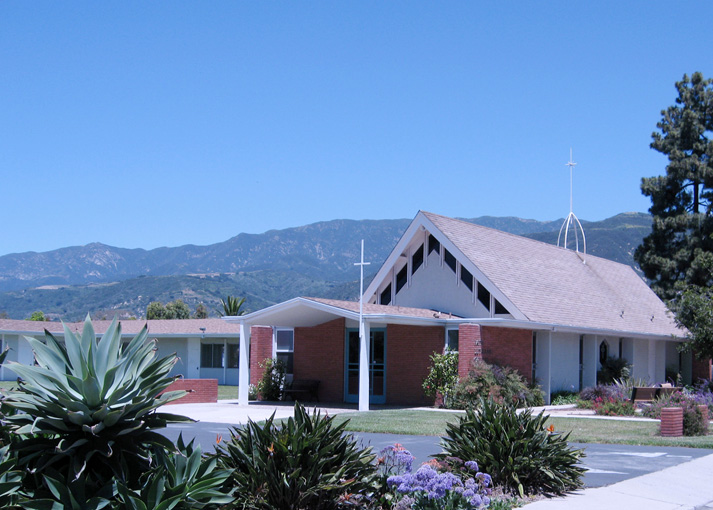
SB 79 – Transit‑Oriented Up‑Zoning and Redevelopment Pressure:
SB 79 expands California’s transit‑oriented development policies by authorizing dense residential development in many commercial‑zoned districts located near transit. The law accelerates the state’s push to convert underutilized commercial land into housing.
Why this matters for churches and nonprofits
- Properties near transit corridors may experience increased developer interest.
- Land previously considered “special‑use only” may now support high‑density residential redevelopment.
- Churches located in commercial zones may see higher land valuations due to new allowable uses.
For ministries considering a sale, SB 79 can materially change the highest and best use of the property.
Clearing Restrictive Covenants to Allow Housing on Commercial Property:
AB 1050 expands the process for removing recorded restrictive covenants that prohibit residential development on commercial parcels. This includes CC&Rs, reciprocal easement agreements, and other recorded instruments that historically blocked housing.
Impact on commercial and nonprofit sellers
- Properties previously limited by old covenants may now be redevelopable.
- Buyers may value the property more highly due to expanded entitlement potential.
- Churches selling older commercial sites (especially in retail centers) may benefit from new buyer pools, including affordable‑housing developers.
This law directly increases the marketability of many church and nonprofit properties.
Redevelopment Opportunities on Underutilized Commercial Land:
A 2025 legal analysis confirms that SB 79 and AB 1050 together “expand redevelopment opportunities for commercial property owners and developers” beginning in 2026.
Practical implications for sellers
- Commercial parcels with large parking lots, aging structures, or excess land become more attractive to developers.
- Churches occupying older commercial buildings may find that the land value exceeds the building value.
- Nonprofits may be approached by developers seeking assemblage opportunities.
This shift can influence whether a ministry chooses to sell, ground‑lease, or redevelop.
Additional Regulatory Pressures on Commercial Owners:
Commercial real estate advisors note that 2026 brings “meaningful regulatory change” that may increase burdens on commercial owners and influence the hold‑versus‑sell decision.
These pressures include:
- Zoning changes that encourage residential conversion
- Increased compliance expectations
- Shifting risk profiles for older commercial buildings
Why this matters for churches:
Churches occupying commercial buildings—especially older retail, office, or industrial spaces—may find that:
- Operating costs increase
- Redevelopment value rises
- Buyers become more motivated due to new housing mandates
This environment can make 2026 a strategic year to evaluate disposition options.
Conclusion:
SB 79 expands transit‑oriented up‑zoning, allowing dense residential development in many commercial districts and increasing redevelopment interest in church and nonprofit properties near transit. AB 1050 makes it easier to remove old restrictive covenants that previously blocked housing on commercial parcels, opening the door to higher valuations and a broader buyer pool. Together, these laws expand redevelopment opportunities on underutilized commercial land, meaning older church campuses, retail conversions, and office properties may attract stronger developer demand and command higher land value.
Selling Church Property
Don’t Sign a Letter of Intent
Commercial Disclosures
Disclaimer: Every situation is different and particular facts may vary thereby changing or altering a possible course of action or conclusion. The information contained herein is intended to be general in nature as laws vary between federal, state, counties, and municipalities and therefore may not apply to any given matter. This information is not intended to be legal advice or relied upon as a legal opinion, course of action, accounting, tax, or other professional services. You should consult the proper legal or professional advisor knowledgeable in the area that pertains to your particular situation.
