
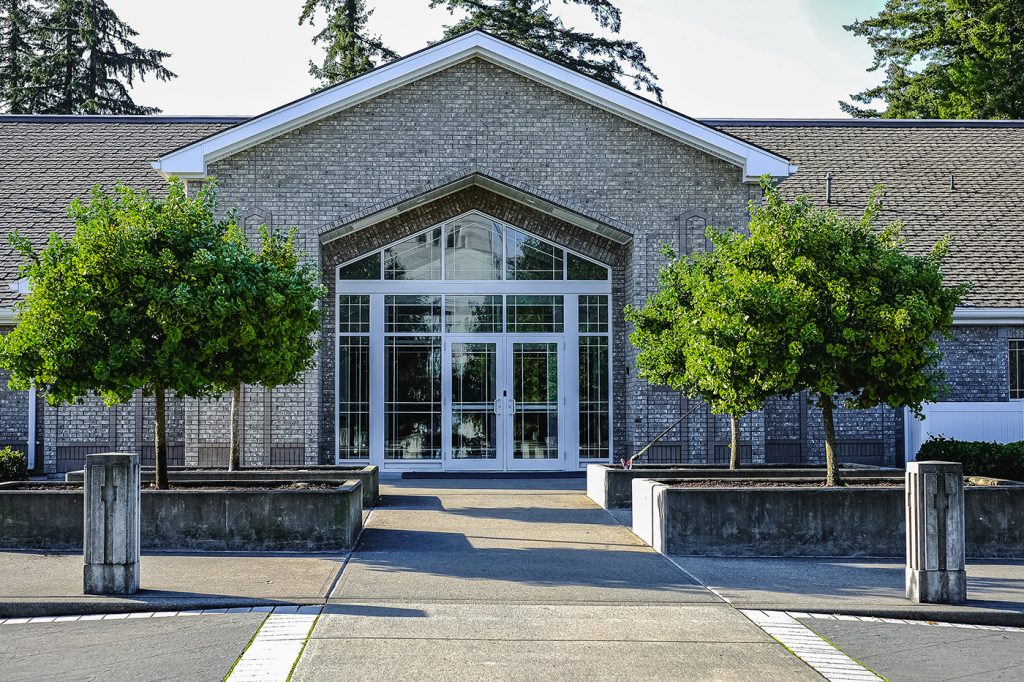
Launching a second, third, or tenth campus is a real estate transaction and a zoning transaction happening at the same time, and treating it like only the first one is the most common mistake in multi-site church real estate. Every new campus sits on its own parcel, in its own jurisdiction, and has to independently clear zoning approval, building code compliance, and its own property tax exemption — none of which transfers from a campus you already operate, no matter how long that flagship location has been settled and uncontroversial.
Multi-Site Church Real Estate: Every New Campus Starts Its Own Zoning Clock
A conditional use permit generally runs with the land in California, not with your church as an organization — so a CUP your flagship campus holds provides no entitlement whatsoever at a different parcel. A new site, whether purchased or leased, needs its own zoning clearance or CUP application, on its own timeline, regardless of how uncontroversial your existing location has been. Conditional Use Permits: What California Churches Need to Know covers that process in detail, and RLUIPA Explained covers the federal protections — equal treatment with nonreligious assemblies, and limits on excluding religious uses entirely, under 42 U.S.C. § 2000cc — that apply at every site, not just your first.
Zoning Approval and Building Code Compliance Are Two Separate Approvals
Zoning determines whether religious assembly use is allowed on a given parcel at all. Building code compliance is a separate question: does the physical structure meet current code for that use. Clearing one does not clear the other, and a growing multi-site church that budgets for only the zoning fight is routinely surprised by the second one.
Church worship space is classified as Assembly Group A-3 under the building code. When an existing building — a former retail store, office suite, or warehouse — is converted to that use, it triggers a change-of-occupancy review under the California Existing Building Code (Title 24, Part 10, Chapter 10), which generally requires the building to meet current code for the new occupancy rather than whatever occupancy it was last permitted for. That review commonly reaches occupant load and exit capacity, fire sprinkler requirements once occupant load crosses certain thresholds, and accessibility upgrades — and the retrofit cost that comes out of it is often the real budget surprise in a converted commercial space, not the rent.
An Existing CUP Doesn’t Automatically Cover a More Intensive Use
Even at a property your church already owns, adding a second service, increasing typical attendance, or changing service hours or parking patterns for a new campus model can require modifying an existing CUP, because the conditions the planning commission approved — not just the general category of “religious assembly” — are what is legally binding. A CUP can also lapse from abandonment, commonly after roughly a year of non-use, which matters if a property sits vacant between identifying it and actually launching a campus there.
Structuring Title Across Multiple Properties
Some multi-site churches hold every campus parcel directly in the same nonprofit religious corporation; others use a separate title-holding structure — a 501(c)(2) title-holding corporation is one option — to segregate liability or satisfy a lender or denominational requirement property by property. Lenders, in practice, tend to underwrite each campus property on its own even when the borrowing entity is the same across all of them, so the choice of title-holding structure is worth deciding deliberately rather than defaulting to whatever worked for the first campus.
Multi-Site Church Real Estate: Property Tax Exemption Has to Be Claimed Separately for Each Parcel
California’s welfare and church property tax exemptions are granted parcel by parcel, not organization-wide. A new campus does not inherit your existing campus’s exempt status, and the claim has to be filed with the county assessor where that specific property sits, on its own deadline. See Church Property Tax Exemptions in California for what that filing requires — and build the timeline into your campus launch plan rather than treating it as paperwork to catch up on later.
Leasing a Campus Before You Own One
Many multi-site launches start in leased space — a school auditorium, a theater, a storefront — before the church commits to a purchase. Two lease terms matter more here than in an ordinary commercial lease: whether the space is exclusive to the church during service hours or shared with other tenants, and whether the lease includes a permit contingency letting the church exit without penalty if zoning or building-code approval for assembly use is ultimately denied. A landlord in a commercial or industrial zone may not have anticipated a religious tenant needing a CUP at all, and the lease should not lock in rent obligations before that question is resolved.
Insurance Has to Scale With the Number of Locations
General liability coverage is often written with per-location or aggregate limits, and adding a campus without notifying the carrier can leave a real coverage gap at the location that needs it most. Landlords typically require the church be named as an additional insured on that location’s policy, and the reverse if the church ever subleases space to another ministry. See General Liability Insurance for how that coverage should be structured.
Where to Start
Before signing a lease or making an offer on a new campus, treat the zoning question, the building-code question, the title and entity question, the property tax exemption, and the insurance question as five separate, parallel work streams for multi-site church real estate — not one line on a due-diligence checklist. The site that looks like the easiest win on rent is often the most expensive one once the change-of-occupancy retrofit gets priced out, and that number is worth having before you sign, not after.
Related Articles
Conditional Use Permits: What California Churches Need to Know
RLUIPA Explained: 5 Ways It Protects Churches
Church Property Tax Exemptions in California
Disclaimer: Every situation is different and particular facts may vary thereby changing or altering a possible course of action or conclusion. The information contained herein is intended to be general in nature as laws vary between federal, state, counties, and municipalities and therefore may not apply to any given matter. This information is not intended to be legal advice or relied upon as a legal opinion, course of action, accounting, tax or other professional service. You should consult the proper legal or professional advisor knowledgeable in the area that pertains to your particular situation.

