Conditional Use Permits
A Conditional Use Permit lets a property owner get approval for a use not automatically allowed by zoning — but the process can take a year or more and costs $10,000-$20,000, with no guarantee of approval.
How a General Plan and zoning ordinance legally relate under California law, and how RLUIPA gives churches specific federal protection in zoning disputes.
Zoning laws don’t disappear just because a church has used its property the same way for years. Here’s how zoning code affects church property, nonconforming use, conditional permits, and RLUIPA protections actually work together — and what happens when a city tries to push a church out.
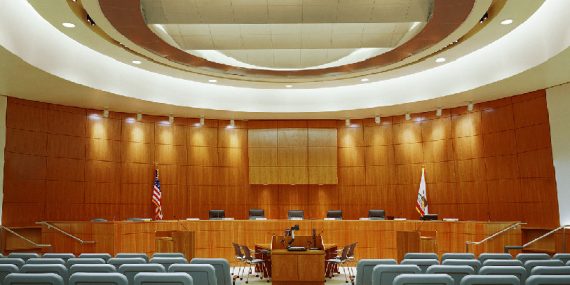
Public hearings come up constantly in church real estate matters — a zoning change, a Conditional Use Permit, a Planned Development, or any redevelopment of church structures often runs into the same requirement along the way. In simple terms, a public hearing is an open gathering where citizens can offer testimony or comment before a public board, commission, or agency makes a significant decision. Understanding how these actually work — and what rights a church has going into one — makes the difference between being prepared and being caught off […]
Churches and nonconforming use go hand in hand whenever a congregation predates the zoning around it. Here’s what “grandfathered in” actually protects, how a city can still end that protection, and what to check before you buy or expand.