Category Archives: Property & Land Use

prescriptive easement

Prescriptive Easement: Old Gate, New Problem for Churches

Churches occasionally discover that a neighbor has installed a gate opening directly into the church’s parking lot — often with the explanation that someone at the church gave permission years ago. The original approval may have been informal, undocumented, or made by someone who no longer represents the church. Regardless of how the gate got there, its continued, unchallenged use creates a serious legal risk. This situation creates a serious risk of a prescriptive easement under California law. Under California law, long-term use of another person’s property can mature into […]

Read More

Subdivision Map Act

Subdivision Map Act: California’s Land Division Requirements

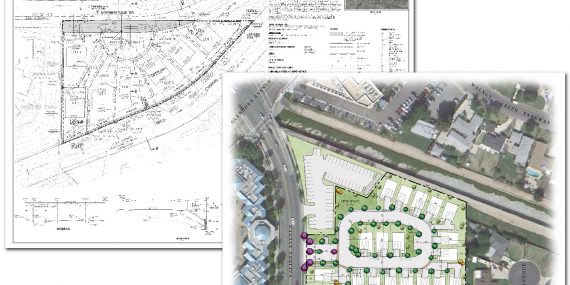
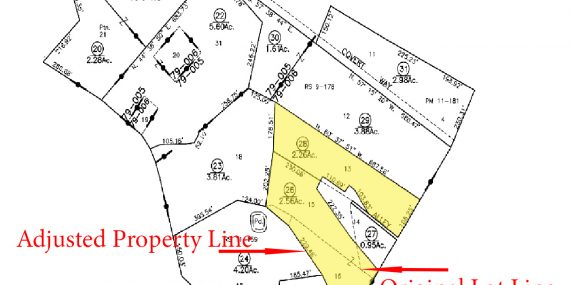
Simply put, the California Subdivision Map Act (“SMA”) is the law that regulates how land may be divided into smaller parcels for development. It applies to all subdivisions in California, regardless of whether the resulting parcels are intended for residential, commercial, or industrial use. The SMA provides the legal structure cities and counties must follow when regulating land division, making it essential for any developer or property owner who intends to create new parcels. Purpose of the Subdivision Map Act The purpose of the Subdivision Map Act is to ensure […]

Read More

California Housing Crisis – Builder’s Remedy

The California Housing Accountability Act (“HAA”): Also known as the “anti-NIMBY law,” is a state law that was enacted in 1982 to help promote the development of new housing and combat local resistance to new housing projects. The HAA establishes that cities and counties in California must approve housing developments that meet certain zoning and planning requirements unless the proposed development would have a specific, adverse impact on public health, safety, or welfare. The law requires cities and counties to provide a comprehensive set of procedures for the processing and […]

Read More

RLUIPA

As a result of Congressional Hearings wherein Congress found that churches, particularly those of minority religions and start-up churches, were disproportionately affected, and often were actively discriminated against, by local land use decisions. Furthermore, it was determined that zoning authorities were frequently placing excessive burdens on the ability of congregations to exercise their faith in violation of the Constitution. This resulted in the passing of the Religious Land Use and Institutionalized Persons Act (RLUIPA) to protect religious institutions from unduly burdensome or discriminatory land use regulations. Purpose:RLUIPA provides that “No […]

Read More

General Plan vs. Zoning

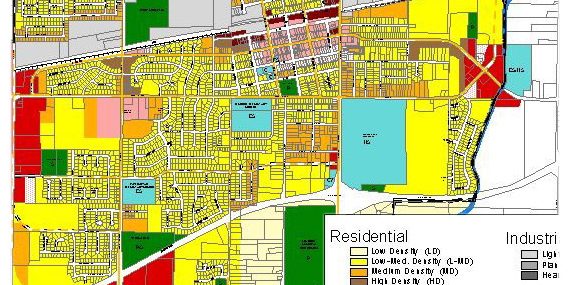
All property has an underlying or specific zone wherein the City or County has outlined in its General Plan for all zones within its jurisdiction. These zones indicate what the general, current, or future use of the land in a particular area will be. The purpose of this is to maintain continuity throughout the city while providing for the health, safety, morals, and general welfare of its residents. In short, it prevents things such as a steel mill from taking place in the middle of a neighborhood. Notwithstanding, the underlying […]

Read More

Public Hearings

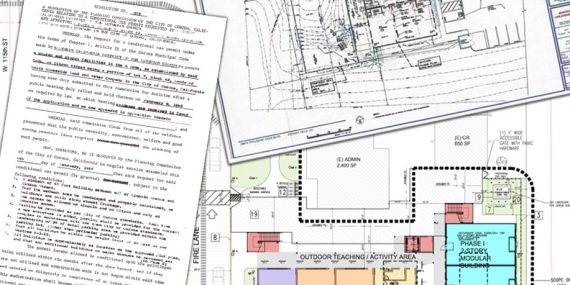
Whether there is a change in the use of the property regarding zoning or code variance, a redevelopment of the structures such as the construction of residential units such as a Planned Development, the need to apply for a Conditional Use Permit and/or meeting other governmental land use requirements, it often becomes necessary for a governmental public hearing to be held. In its most simplistic terms, a public hearing is an open gathering of officials and citizens, wherein citizens are permitted to offer testimony or comment before significant decisions are […]

Read More