Public Records Requests in California: A Practical Guide
Why specificity is what actually gets a California public records request answered quickly — and what to do when an agency misses its deadline or denies the request outright.

Why specificity is what actually gets a California public records request answered quickly — and what to do when an agency misses its deadline or denies the request outright.
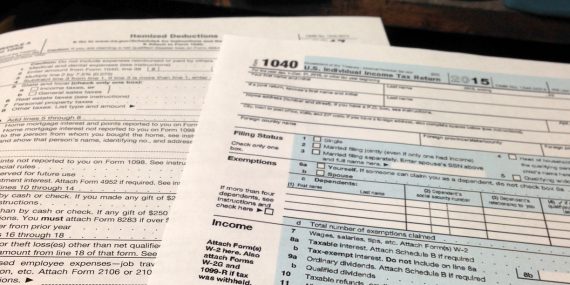
“Your donation is tax deductible” is not always true. Here’s what actually makes deductible donations to a church qualify, the records the IRS requires, the quid-pro-quo traps, and the 2026 OBBBA changes that reshaped church giving for every donor.

Trust vs. Estate — most people don’t realize how much this one distinction determines whether a California property transfers in weeks or gets tied up in court for a year or more

Closing a California church involves more than locking the doors — a formal vote, winding up affairs, distributing assets to another nonprofit, and filing with the state. Here’s what the process actually requires.

Most real estate sales between private parties in California don’t require approval from the Department of Real Estate (DRE). However, DRE oversight may apply when properties are subdivided, interests are offered to the public , or licensed brokers engage in regulated activity.
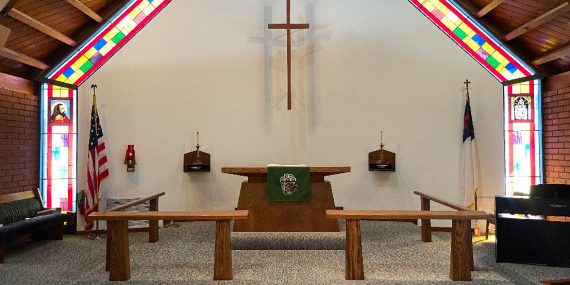
Buyer Representation Agreement—a binding contract outlining roles, duties, and expectations. California’s Business and Professions Code §10147.5
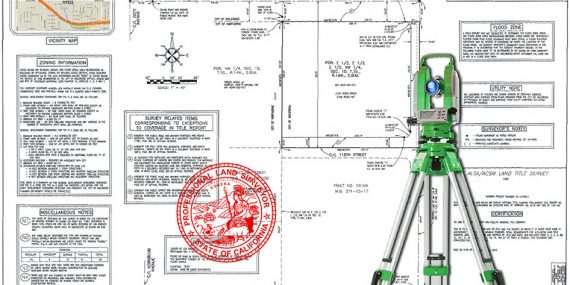
A clear guide to how legal parcels of land are created and verified in California, including deeds, surveys, subdivision maps, parcel maps, and certificates of compliance.
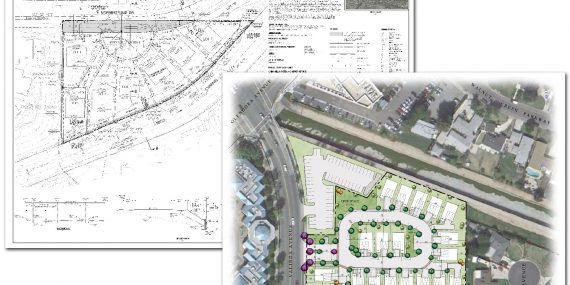
The Subdivision Map Act sets the rules for dividing land in California — including a shorter parcel map path most articles leave out. Here’s how tentative maps, final maps, and parcel maps actually work.
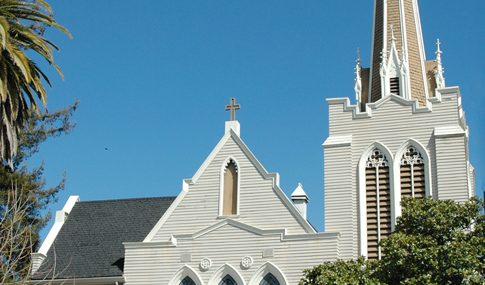
Does your church need to apply for tax-exempt status? While churches qualify automatically under IRS Section 501(c)(3), California requires a separate application to the Franchise Tax Board. Without state recognition, your church remains a taxable entity under the Revenue and Taxation Code.

Enacted in 1972, the Mills Act encourages the preservation and maintenance of Qualified Historic Structures by reducing property taxes