Conditional Use Permits
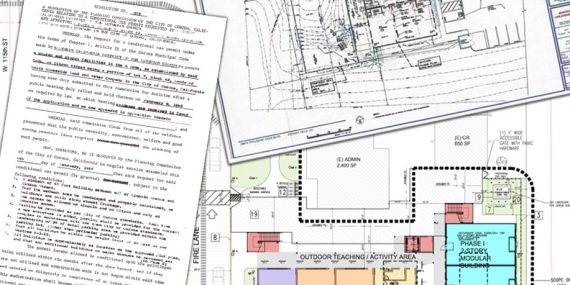
A Conditional Use Permit lets a property owner get approval for a use not automatically allowed by zoning — but the process can take a year or more and costs $10,000-$20,000, with no guarantee of approval.
The California Housing Accountability Act (“HAA”): Also known as the “anti-NIMBY law,” is a state law that was enacted in 1982 to help promote the development of new housing and combat local resistance to new housing projects. The HAA establishes that cities and counties in California must approve housing developments that meet certain zoning and planning requirements unless the proposed development would have a specific, adverse impact on public health, safety, or welfare. The law requires cities and counties to provide a comprehensive set of procedures for the processing and […]
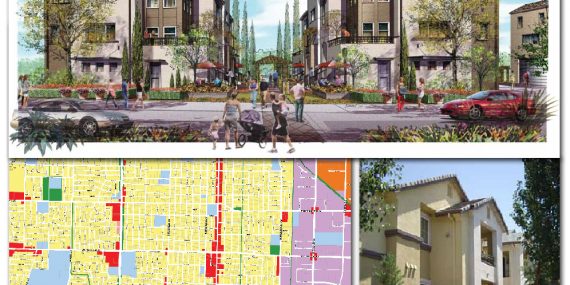
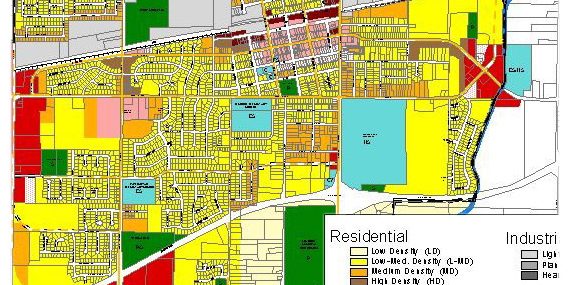
All property has an underlying or specific zone wherein the City or County has outlined in its General Plan for all zones within its jurisdiction. These zones indicate what the general, current, or future use of the land in a particular area will be. The purpose of this is to maintain continuity throughout the city while providing for the health, safety, morals, and general welfare of its residents. In short, it prevents things such as a steel mill from taking place in the middle of a neighborhood. Notwithstanding, the underlying […]
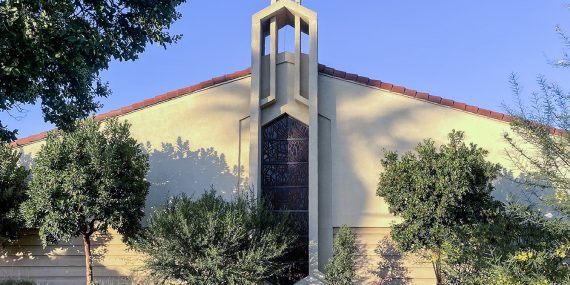
What defines a church matters more than most congregations realize — the answer changes depending on whether the IRS, the courts, or your local zoning code is asking. Here’s how each one actually decides.
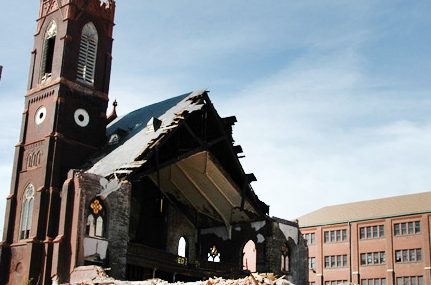
Zoning laws don’t disappear just because a church has used its property the same way for years. Here’s how zoning code affects church property, nonconforming use, conditional permits, and RLUIPA protections actually work together — and what happens when a city tries to push a church out.
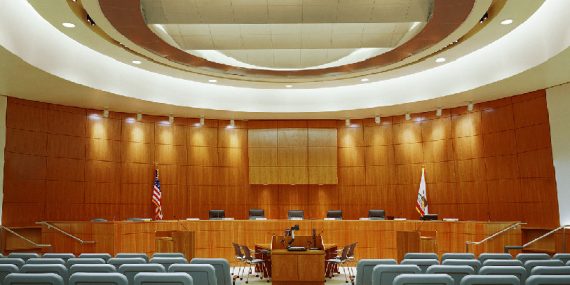
Whether there is a change in the use of the property regarding zoning or code variance, a redevelopment of the structures such as the construction of residential units such as a Planned Development, the need to apply for a Conditional Use Permit and/or meeting other governmental land use requirements, it often becomes necessary for a governmental public hearing to be held. In its most simplistic terms, a public hearing is an open gathering of officials and citizens, wherein citizens are permitted to offer testimony or comment before significant decisions are […]
Churches and nonconforming use go hand in hand whenever a congregation predates the zoning around it. Here’s what “grandfathered in” actually protects, how a city can still end that protection, and what to check before you buy or expand.