
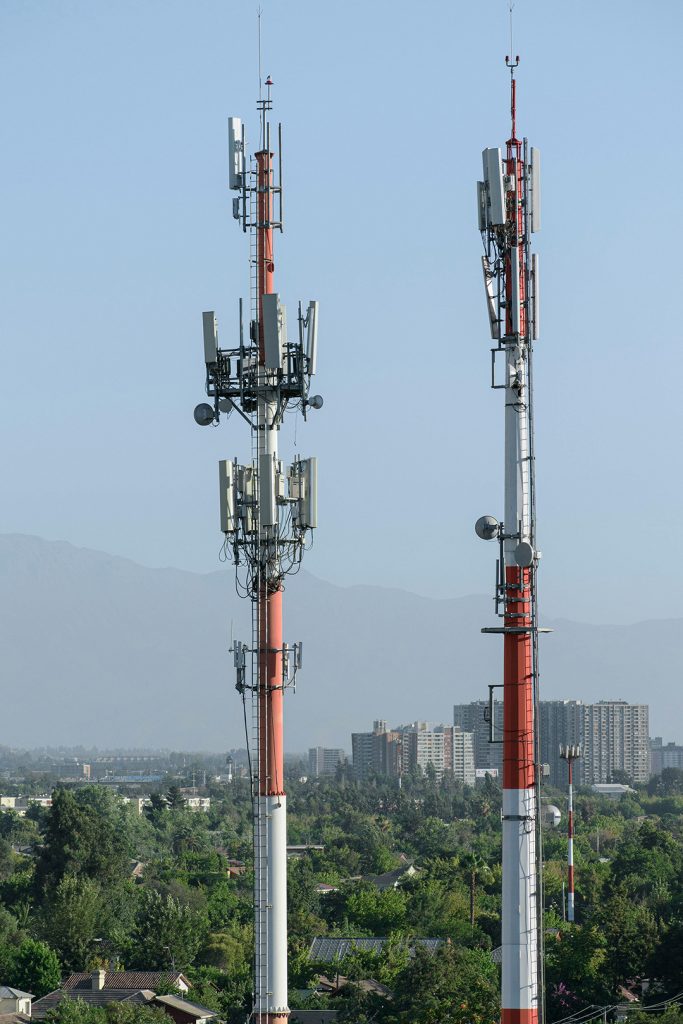
For many churches, a cell tower lease begins as a blessing. The rent arrives every month, the equipment sits quietly in a corner of the property, and the income helps support ministry, maintenance, or outreach. It feels like a stable, low-effort partnership.
But as the secondary market for cell tower leases has exploded, churches have increasingly become targets for aggressive buyout firms offering large lump-sum payments in exchange for long-term or perpetual easements. These offers often arrive with glossy brochures, urgent deadlines, and promises of “financial freedom.”
What many churches don’t realize is that selling a cell tower lease can create serious, long-lasting complications that affect ministry, property use, redevelopment, and even the church’s ability to sell or refinance its land in the future.
This article focuses on the negative impacts churches must understand before signing away their rights.
Why Churches Are Targeted by Buyout Firms:
Churches are uniquely vulnerable in this market because:
– They often have large, underutilized parcels attractive to carriers.
– Leadership changes frequently, making institutional memory fragile.
– Many rely on volunteer boards unfamiliar with telecom or real estate law.
– Churches may be cash-strapped and tempted by a large one-time payment.
Buyout firms know this. Their business model depends on acquiring long-term rights from owners who may not fully understand the consequences.
The Negative Impacts Churches Face When Selling a Cell Tower Lease:
Perpetual Easements That Outlive the Church Itself
Most buyout agreements include a permanent or 99-year easement over the tower area. This is not a simple lease assignment — it is a property interest recorded against the land.
For churches, this can create major problems:
– The easement remains even if the church relocates.
– The easement remains even if the church sells the property.
– The easement remains even if the tower is removed.
In effect, the church trades a flexible lease for a permanent encumbrance that limits how the land can be used for generations.
Restrictions That Interfere With Ministry and Future Development
Easements often include strict limitations that churches do not anticipate, such as:
– No new buildings within a certain distance
– No changes to parking, driveways, or landscaping
– No grading or excavation without investor approval
– No relocation of utilities
– Height restrictions on future structures
These restrictions can derail:
– Sanctuary expansions
– Preschool or daycare additions
– Solar installations
– Parking lot redesigns
– ADA improvements
– Future sale or redevelopment
Churches often discover these limitations years later, when it is too late to undo the agreement.
Loss of Monthly Income That Supports Ministry
The monthly rent from a cell tower is often used to:
– Support general operations
– Fund youth programs
– Maintain aging buildings
– Offset declining tithes
– Stabilize budgets during lean years
When a church sells the lease, that income disappears forever. The lump-sum payment may feel large, but once spent, it is gone — and the church loses a reliable revenue stream that could have supported ministry for decades.
Aggressive Contract Terms That Favor the Investor, Not the Church
Many buyout agreements include provisions that:
– Allow the investor to add equipment without paying additional rent
– Permit subleasing to other carriers
– Expand the easement area over time
– Require the church to maintain access roads or utilities
– Give the investor veto power over future property changes
These terms are often buried deep in the agreement and written in technical language that volunteer boards may not fully understand.
Complications When Selling or Refinancing Church Property
A perpetual telecom easement can make the property:
– Harder to sell
– Less attractive to buyers
– More difficult to finance
– Lower in appraised value
Buyers may walk away when they learn that:
– A third party controls part of the land
– The easement cannot be removed
– Development options are restricted
– The investor must approve changes
Churches often discover that the buyout payment they received years earlier is far less than the value lost in a future sale.
Loss of Control Over a Portion of God’s Property
Church land is not just real estate — it is a ministry asset. It supports worship, community outreach, education, and service. When a church sells a telecom easement, it gives a private investment firm long-term control over part of that sacred space.
This can create:
– Conflicts with ministry needs
– Tension with neighbors
– Limitations on community use
– Ethical concerns about stewardship
Many churches later regret giving up control of land that was entrusted to them for ministry.
Pressure Tactics and Misleading Valuations
Buyout firms often use:
– “Limited-time” offers
– Claims that the tower may be terminated soon
– Inflated projections of future risk
– Comparisons to other churches that sold
– Urgency designed to bypass careful review
Churches may feel pressured to act quickly, even though these decisions should be made slowly, prayerfully, and with professional guidance.
Why Churches Should Be Especially Cautious:
Churches face unique challenges:
– Leadership turnover means long-term decisions must be extra careful.
– Volunteer boards may not have real estate expertise.
– Ministry needs change over time.
– Property is often the church’s most valuable asset.
A cell tower lease buyout is not just a financial transaction — it is a permanent alteration of the church’s property rights.
Once signed, it cannot be undone.
Please see our other related articles
Churches and For-Profit Tenants
Cell Tower’s at Churches
Churches and Property Tax Exemptions
Disclaimer: Every situation is different and particular facts may vary thereby changing or altering a possible course of action or conclusion. The information contained herein is intended to be general in nature as laws vary between federal, state, counties, and municipalities and therefore may not apply to any given matter. This information is not intended to be legal advice or relied upon as a legal opinion, course of action, accounting, tax, or other professional services. You should consult the proper legal or professional advisor knowledgeable in the area that pertains to your particular situation.
