
SB 1454 church security requirements now apply to every California church, ministry, and religious nonprofit, ending the long‑standing exemption from private security licensing laws. For the first time, churches, ministries, and religious nonprofits are no longer exempt from California’s private security licensing laws. This means that any church using individuals in a “security” role—paid or volunteer—must now comply with regulations enforced by the Bureau of Security and Investigative Services (BSIS).
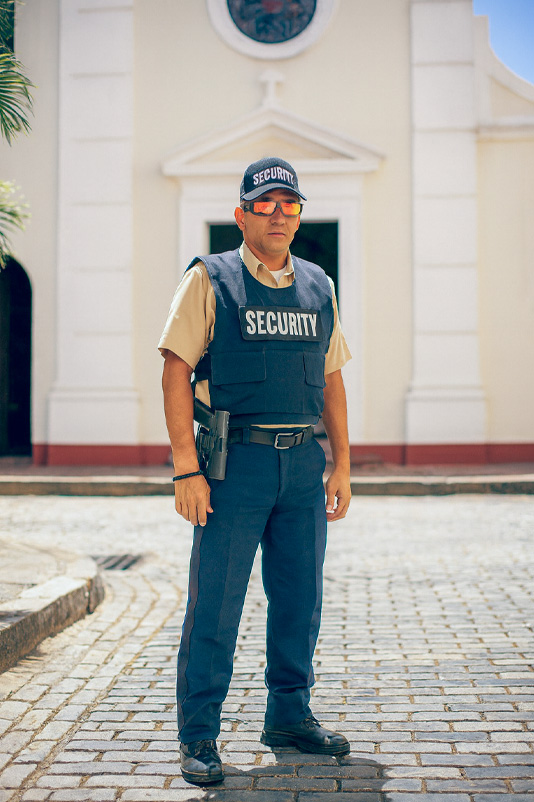
According to multiple sources, SB 1454 places churches under the same regulatory framework as private security companies, ending a long‑standing exemption for faith‑based organizations. This shift has created new compliance responsibilities for churches across California.
This article explains what changed, what triggers BSIS oversight, and what your church must do to comply with the new SB 1454 church security requirements.
Required Compliance:
Before SB 1454, churches and charitable organizations were exempt from California’s security licensing laws. They could operate volunteer security teams without BSIS involvement.
SB 1454 removed that exemption, meaning churches are now treated like any other employer of security personnel when certain conditions are met.
SB 1454 does not regulate every volunteer who helps with safety. Instead, it regulates churches when they cross certain trigger points that classify their activities as “security services.” Understanding these triggers is essential for avoiding unintentional violations.
Triggers include:
– Using the word “Security”
– Performing security‑type functions
– Wearing uniforms or gear that resembles security
– Carrying firearms
– Paying anyone for security‑type work
Once a church triggers BSIS oversight, several requirements apply:
– Security personnel must be licensed or registered
– Churches must register as a Proprietary Private Security Employer (PPSE)
– Volunteers are no longer automatically exempt
– Training requirements increase
– Documentation and compliance tracking become mandatory
Churches may still operate unregulated safety teams if they avoid the triggers. These teams may greet attendees, provide hospitality, observe and report, assist with medical emergencies, help with parking, and call 911 when needed. These activities fall under “safety,” not “security,” and remain permissible without BSIS licensing.
Note:
SB 1454 has real consequences, including legal liability, insurance implications, increased scrutiny, and the need for clear policies. Churches should review their current safety or security practices to ensure they align with SB 1454 requirements and avoid triggering BSIS oversight unintentionally.
Please see our other related articles
Church Officer and Director Liability
Selling Church Property
Why Use Bushore Real Estate
Disclaimer: Every situation is different and particular facts may vary thereby changing or altering a possible course of action or conclusion. The information contained herein is intended to be general in nature as laws vary between federal, state, counties, and municipalities and therefore may not apply to any given matter. This information is not intended to be legal advice or relied upon as a legal opinion, course of action, accounting, tax, or other professional services. You should consult the proper legal or professional advisor knowledgeable in the area that pertains to your particular situation.
