
Unincorporated church property ownership often starts the same way: a small group of people gathering to worship, pray, and serve without thinking about bylaws, corporate filings, or legal structure. Their focus is ministry, not paperwork — but that simplicity can create serious title problems decades later.
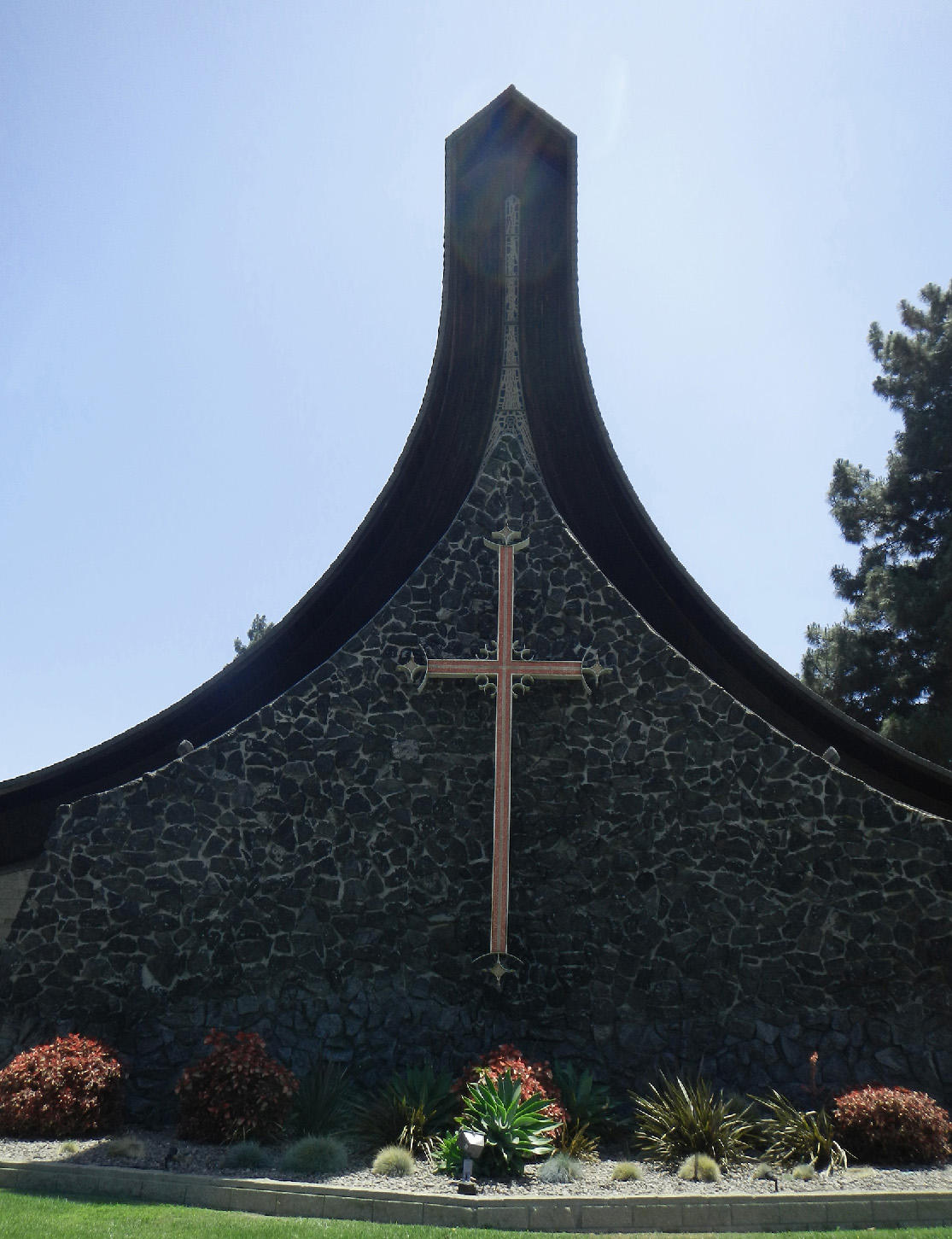
In the Begining:
Decades ago, when the congregation first purchased property, they didn’t have a corporation or a trust. So the deed was recorded in the names of a few respected members who handled the transaction. Everyone understood the property “belonged to the church,” but legally it belonged to those individuals.
Over the years, people moved away, passed away, or stepped out of leadership. New members joined. The congregation grew. And everyone assumed the property was safely “owned by the church.”
Initial Attempt:
At some point, well‑meaning members tried to correct the situation. They signed documents naming themselves “trustees” and attempted to transfer the property into the church’s name. But because the group wasn’t incorporated and had no formal structure, there was no clear authority for who could act, who could sign, or whether the transfer was legally valid.
The congregation continued using the property for decades without realizing anything was wrong.
The Moment Everything Comes to Light:
Eventually, the church tried to refinance, sell, or simply update its records. That’s when the title company uncovered the truth:
- The property was still legally owned by the original individuals
- The later “trustee” documents didn’t meet legal requirements
- There was no clear chain of authority
- The church itself had no recognized legal status to receive title
Suddenly, the congregation faced a problem it never expected:
They had been worshiping on the land for generations, but legally, they didn’t own it.
What felt like a simple church property became a complicated legal project because the group had never formalized its structure.
The Fix:
Once the congregation understood the issue, the first step was determining what the church actually was in the eyes of the law. For decades they had operated as a community of believers, but legally they were just a group of people meeting together. Before they could fix the title, they needed to become something the law recognized — usually a nonprofit religious corporation. That gave them a real legal identity, something that could actually hold title to land.
Next, the church had to establish who had authority to act on its behalf. Everyone knew who the leaders were, but nothing had ever been documented. So they gathered their current board, recorded who was serving, and adopted clear rules for decision‑making. They created minutes, passed resolutions, and established a paper trail showing who could sign documents. Without this, no title company or court would accept signatures.
With structure in place, the church then had to prove that it had been the true, practical owner of the property all along. Members searched through old records, photos, tax bills, utility statements, newsletters, and anything else showing decades of continuous use and stewardship. This evidence demonstrated that even though the deed was wrong, the congregation had always been the real occupant and caretaker of the land.
Armed with this documentation, the church attempted the simplest solution: recording a modern confirmatory deed. This document essentially says, “Here is what should have happened years ago.” If the historical paperwork is strong enough, a title company may accept it and update the chain of title without going to court.
But when the old records are incomplete or the title company remains uncertain, the church must take the more formal route: filing a quiet title action. In this process, a judge reviews the history, examines the evidence, and issues a ruling declaring the church the rightful owner. It takes time and careful legal work, but it permanently settles the question of ownership.
Once the court issues its judgment — or once the confirmatory deed is accepted — the church records the final document with the county. From that moment on, the congregation finally has what it always believed it had: clear, legal ownership of its property. The title is clean, the chain is restored, and future leaders won’t inherit the same uncertainty.
What began as a confusing discovery ends with stability, clarity, and peace of mind.
Please see our other related articles
Disclaimer: Every situation is different and particular facts may vary thereby changing or altering a possible course of action or conclusion. The information contained herein is intended to be general in nature as laws vary between federal, state, counties, and municipalities and therefore may not apply to any given matter. This information is not intended to be legal advice or relied upon as a legal opinion, course of action, accounting, tax, or other professional services. You should consult the proper legal or professional advisor knowledgeable in the area that pertains to your particular situation.
