
Preventing Mechanic’s Liens
How churches and property owners can prevent mechanic’s liens through contractor vetting, Preliminary 20-Day Notices, joint checks, and conditional/unconditional lien releases.
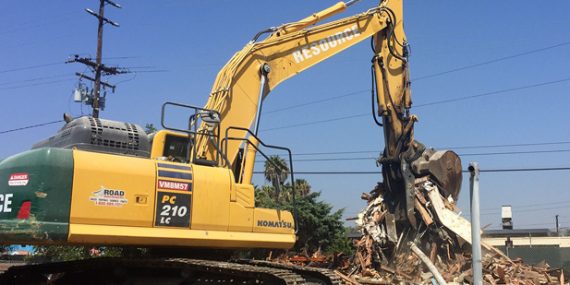
How churches and property owners can prevent mechanic’s liens through contractor vetting, Preliminary 20-Day Notices, joint checks, and conditional/unconditional lien releases.

Deed fraud, often referred to as “property theft” or “title theft,” has emerged as a significant threat to property owners, particularly in urban areas with high real estate values.

How to perfect a mechanics lien in California. Learn about preliminary notice requirements, filing deadlines with the county recorder, lien enforcement through foreclosure, and the difference between conditional and unconditional lien releases for contractors and suppliers.

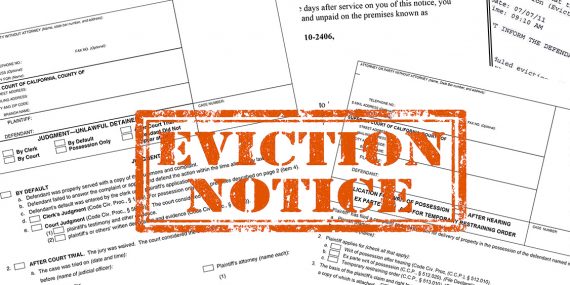
Evicting church tenants in California means following strict commercial unlawful detainer rules. Learn the process and the self-help traps to avoid.
Clouds on title are one of the most overlooked threats to a property’s marketability. Here’s what actually creates one, the difference between marketable and merely insurable title, and how to clear a defect before it costs you a sale.

What clergy-penitent privilege actually covers under California law, who can waive it, and where the line sits against mandatory child-abuse reporting requirements.
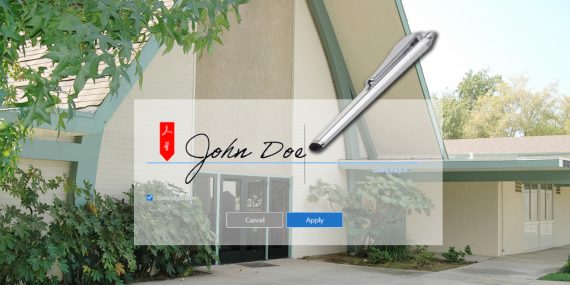
Are digital signatures binding for your church? Under California’s UETA and the federal ESIGN Act they are, if four conditions are met. Here’s what church boards need to know before signing real estate contracts electronically.

California follows the “American Rule” — each side generally pays its own attorney’s fees unless a statute or contract says otherwise. Here’s when you can recover yours.

California’s Statute of Frauds requires certain real estate agreements to be in writing to be enforceable. Here’s what it covers and where the exceptions apply.