
Statute of Frauds in California Real Estate
California’s Statute of Frauds requires certain real estate agreements to be in writing to be enforceable. Here’s what it covers and where the exceptions apply.

California’s Statute of Frauds requires certain real estate agreements to be in writing to be enforceable. Here’s what it covers and where the exceptions apply.

What the religious service copyright exemption actually covers, what it doesn’t (reproduction, livestreaming), and how most churches close the gap.
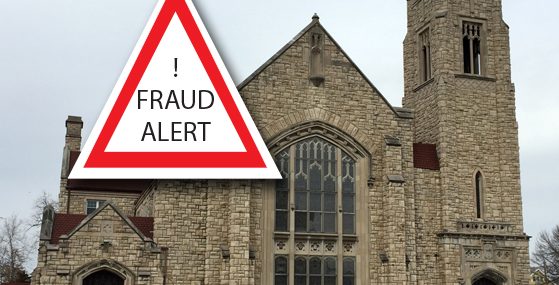
CReal property fraud can cost a church hundreds of thousands of dollars in a single wired transaction. Here’s how wire fraud, mortgage fraud, and title schemes actually work, based on FBI and FTC warnings, and the signs that mean you’re already a target.
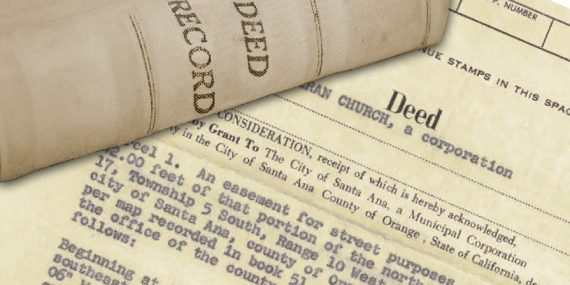
A small error in a deed’s Grantee name can cloud your church’s title for years. Learn how incorrect deeds happen and why it matters when selling or financing your property.
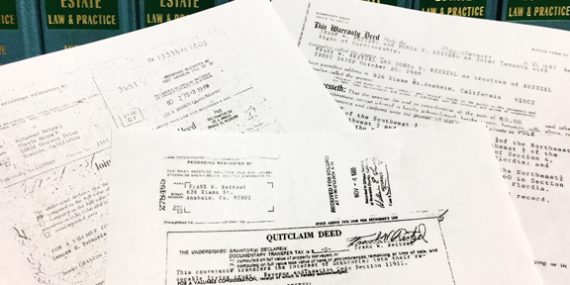
Holding title to real property isn’t one-size-fits-all — how you take ownership affects what happens when you sell, when you die, or when a co-owner wants out. Here’s a plain-language guide to the main ways California recognizes.