
Preventing Mechanic’s Liens
How churches and property owners can prevent mechanic’s liens through contractor vetting, Preliminary 20-Day Notices, joint checks, and conditional/unconditional lien releases.
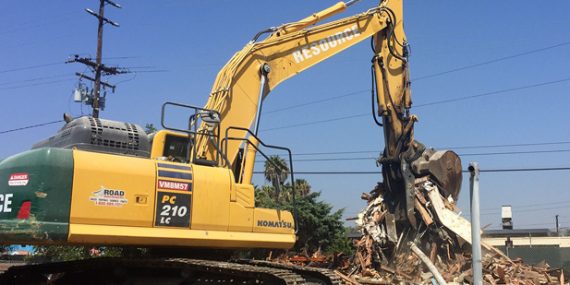
How churches and property owners can prevent mechanic’s liens through contractor vetting, Preliminary 20-Day Notices, joint checks, and conditional/unconditional lien releases.
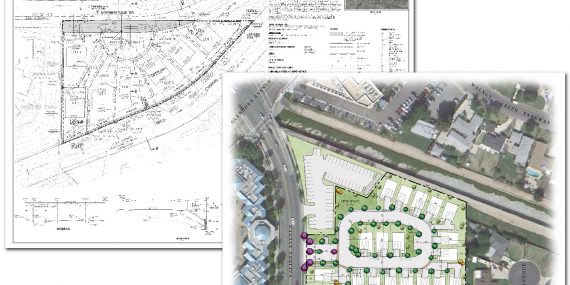
The Subdivision Map Act sets the rules for dividing land in California — including a shorter parcel map path most articles leave out. Here’s how tentative maps, final maps, and parcel maps actually work.
When a church needs Attorney General approval for a merger, asset sale, or dissolution, and what recent regulatory changes mean for that process.

How long galvanized plumbing actually lasts, the real source of the lead risk, and why it matters for property disclosures during a church sale.

Forming a non-profit is easier with a clear plan. Learn the essential steps, filings, and legal requirements to start a compliant nonprofit organization.

When a congregation winds down, one question dominates: what happens to church property when a church closes? California law is strict — the building and money can’t be handed to members. Here’s who decides, where the assets go, and the Attorney General’s role.

SB 1454 church security requirements now apply to California ministries. Learn what triggers BSIS oversight and how to keep your team compliant.
Does your church need to apply for tax-exempt status? While churches qualify automatically under IRS Section 501(c)(3), California requires a separate application to the Franchise Tax Board. Without state recognition, your church remains a taxable entity under the Revenue and Taxation Code.

Enacted in 1972, the Mills Act encourages the preservation and maintenance of Qualified Historic Structures by reducing property taxes