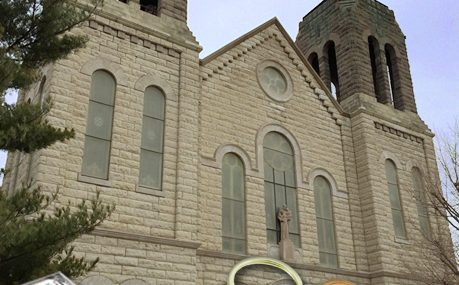
Cell Towers at Churches
Considering a cell tower lease at your California church? Learn the key risks — from lost tax exemptions to UBIT — before you sign.
Special use appraisals exist because churches and other nonprofit properties can’t be valued like ordinary real estate. Here’s how the appraisal methods actually work, who’s qualified to perform one, and what they cost.
Tenants often ask for a First Right of Refusal in a lease. It sounds harmless, but it can depress a property’s appraised value, scare off buyers, and create legal disputes over price. Here’s what churches need to know before granting one
What is escrow? It’s the neutral third party that holds documents and funds until both sides of a property sale meet their conditions. Here’s how the process actually works, from opening escrow to closing.
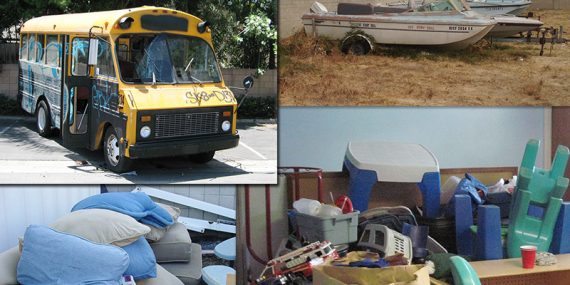
Commercial tenant abandoned property California law changed in 2019, raising the threshold for what a landlord can simply keep or dispose of without a public sale. Here’s the current process, notice requirements, and how to avoid liability for a tenant’s leftover belongings.
Security deposits in a commercial lease work nothing like residential ones — no caps on the amount, no automatic accounting requirement, and different refund deadlines depending on why the landlord is keeping part of it. Here’s what actually applies.
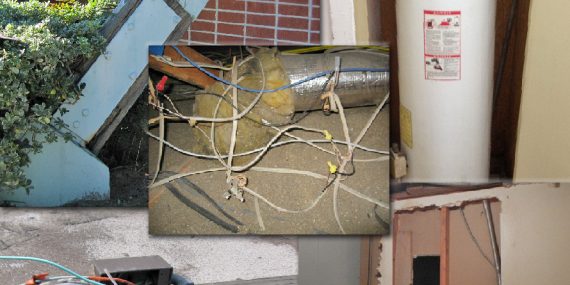
Selling commercial or church property in California means disclosing far more than most sellers realize. Here’s what the law requires, why an “as-is” clause won’t shield you from a hidden defect, and how a failure to disclose becomes actual fraud.
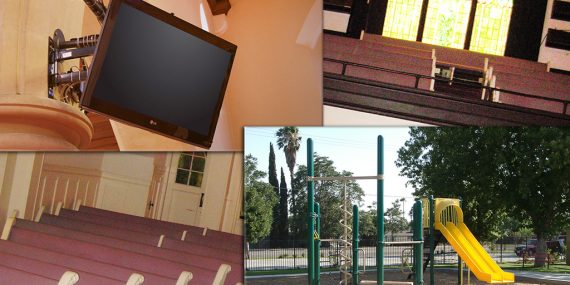
Removing fixtures at the end of a lease is one of the most common landlord-tenant disputes — a tenant installs a projector or new carpet, then wants it back. Here’s how California law decides who actually owns it.