
Yearly Archives: 2019

Community Property

After attending church Council meetings or services, I am often approached and asked questions by individual members. Other than general real estate concerns, the majority of the questions are in the area of estate planning, (Wills and Trust) and how they relate to community property. Although some get the concept of what community property is, when it gets down to it, they really don’t understand how it works and its effects on their estate. What follows is a brief overview of community property, which is the rule of the land […]

Read More

Commercial Tenant Abandoned Property California: What Churches and Landlords Must Know

Commercial tenant abandoned property California issues arise frequently when a church tenant vacates the premises—whether at the end of the rental term or unexpectedly—and leaves items behind. In many cases, these belongings are simply forgotten and later retrieved once the tenant is notified. However, it is also common for a commercial tenant to intentionally leave property behind because they no longer want it or do not wish to move it. This raises an important legal question for churches and landlords: what obligations apply when a commercial tenant abandoned property California […]

Read More

Evicting Church Tenants

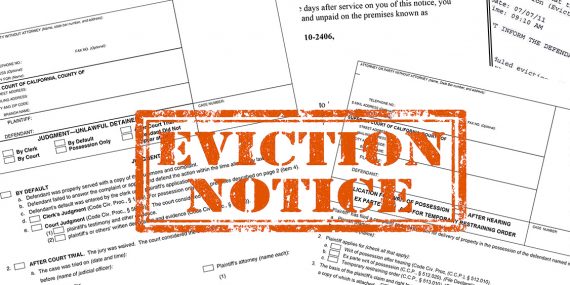
Unfortunately, it sometimes becomes necessary to evict a church tenant. This may result from failing to pay rent, or otherwise not abiding by the terms and conditions of the agreement. Regardless of the reason, the steps for a contested or necessary eviction are the same and must be followed precisely. An eviction or Unlawful Detainer of a church tenant follows the statutes set forth for a commercial tenancy which varies greatly from that of a residential tenancy. Please note that in California, it is the Sheriff’s department that does the […]

Read More

Digital Signatures

First and Foremost, the use or acceptance of a digital signature shall be at the option of the parties. Under California law, certain types of contracts must be in writing in order to be enforceable. As per the Statute of Frauds and codified by California Civil Code §1624, the following must be in writing and signed by the party to be charged: (i) a contract involving the sale of goods $500 or more; (ii) consideration of marriage; (iii)  Contracts by the executor of a will to pay a debt of […]

Read More

Restricted Donations

Churches, like all nonprofit organizations, rely upon monetary donations in order to carry out their basic functions. In particular, it is these donations that enable the church to literally keep its lights on. Similar to the article about members taking deductions for the donations they contribute; this article focuses on what the church may do with the funds it receives. Please note that this article does not address fundraising through Bingo or Raffles. Unrestricted Funds:  In most instances, a member simply donates funds to be used towards the general operations […]

Read More

Removing Fixtures – from a church or otherwise

Commercial tenant abandoned property California issues often arise when tenants make improvements to the facilities they rent—such as painting walls, installing new carpet, or mounting a video projector and screen for Sunday services. In most cases, the landlord church has no objection to these upgrades. The real conflict emerges at the end of the rental term, when the tenant wants to remove an expensive projector or other installed equipment, but the landlord believes it should remain as a fixture attached to the property. If the rental agreement is silent on […]

Read More

Real Property Fraud

The information below pertains only to real property as opposed to personal property. As a property owner, you should be diligent in regard to your property and finances. What follows is important information provided by the FB Wire Fraud: All parties to a real estate transaction are potential targets of wire fraud and may lose hundreds of thousands of dollars because they simply relied on the wire instructions received via email, without further verification. If funds are to be wired in conjunction with this real estate transaction, it is strongly […]

Read More

Church Financing

Some churches belong to large denominations and have access to funds that are lent through Foundations, Endowments, or other types of funding sources. Regardless of its membership, most churches find it extremely difficult to obtain financing from standard banking institutions. This is generally because most standard banks considering church loans to be too risky based solely on the fact that the loan is based on either the stated income or the equity in their real property, if available. Private Mortgage Companies: Private mortgage type companies, or private lenders, (sometimes referred […]

Read More

Clouds on Title (Ownership) to Real Property

Real Property values will always fluctuate over time, but the one that is often overlooked is the marketability of the Property.  Every contract for the conveyance of Real Property contains an implied warranty that the Title will be delivered reasonably free from doubt of hazards to litigation either in fact or law. Although Title need not be perfect, it must not expose the reasonable buyer to the hazards of litigation. One sure way to inhibit your ability to sell your Property is to allow a cloud on the Title to […]

Read More

Security Deposits

Unlike residential security deposits, commercial deposits held to secure a rental agreement can be negotiated between the parties. The laws governing residential property and the handling of security deposits are long and tedious. Commercial tenancies however are much more negotiable in that the parties may mutually agree on any amount to be designated as security. Security Deposit: California Civil Code Section 1950.7 establishes that a commercial landlord may use a security deposit to remedy monetary defaults, to repair damages to the premises caused by a tenant, and to clean the […]

Read More