Churches and the Attorney General
When a church needs Attorney General approval for a merger, asset sale, or dissolution, and what recent regulatory changes mean for that process.
When a church needs Attorney General approval for a merger, asset sale, or dissolution, and what recent regulatory changes mean for that process.
How long galvanized plumbing actually lasts, the real source of the lead risk, and why it matters for property disclosures during a church sale.
Forming a non-profit is easier with a clear plan. Learn the essential steps, filings, and legal requirements to start a compliant nonprofit organization.
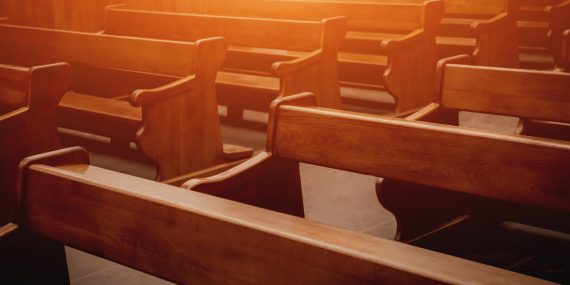
When a congregation winds down, one question dominates: what happens to church property when a church closes? California law is strict — the building and money can’t be handed to members. Here’s who decides, where the assets go, and the Attorney General’s role.

SB 1454 church security requirements now apply to California ministries. Learn what triggers BSIS oversight and how to keep your team compliant.
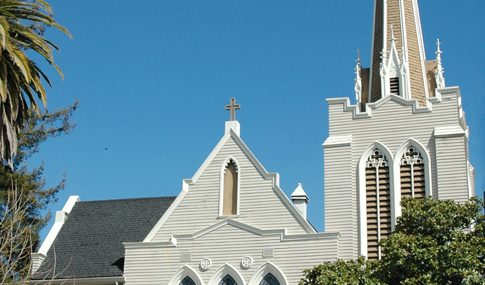
Does your church need to apply for tax-exempt status? While churches qualify automatically under IRS Section 501(c)(3), California requires a separate application to the Franchise Tax Board. Without state recognition, your church remains a taxable entity under the Revenue and Taxation Code.
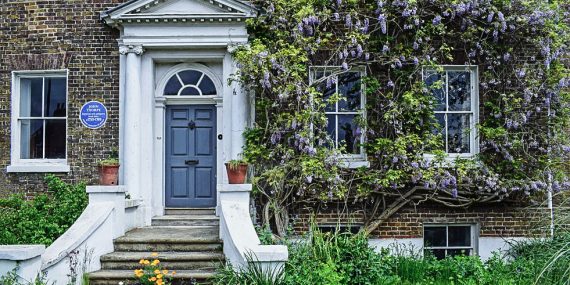
Enacted in 1972, the Mills Act encourages the preservation and maintenance of Qualified Historic Structures by reducing property taxes

Deed fraud, often referred to as “property theft” or “title theft,” has emerged as a significant threat to property owners, particularly in urban areas with high real estate values.
Some churches hold rental or investment property through a separate 501(c)(2) title holding corporation rather than in the church’s own name. Here’s how that structure works, and when it actually makes sense.
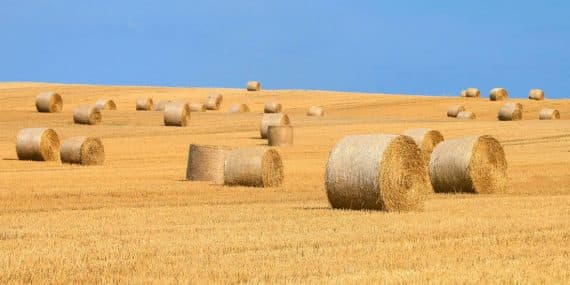
The Williamson Act cuts property tax on agricultural land in exchange for a long-term development restriction. Here’s what that trade-off means if your church owns, or is considering, rural land.