
Asbestos
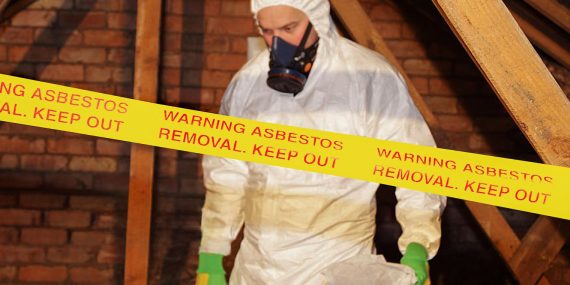
What California disclosure law requires when a church property has known asbestos, and the federal inspection rule that applies before any renovation.

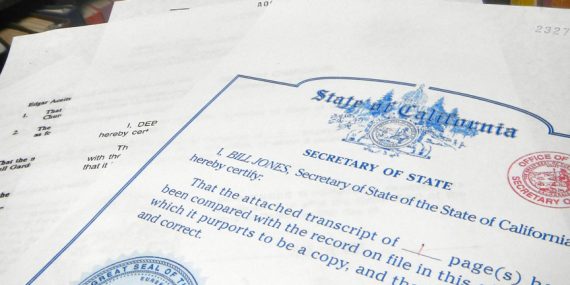
The key steps to forming a church in California: choosing a legal structure, filing Articles of Incorporation, drafting bylaws, and securing tax-exempt status.

When a California city falls out of compliance with state housing law, the Builder’s Remedy can override its zoning entirely. Here’s how the HAA, SB 330, and CEQA fit together, and why it matters for churches sitting on developable land.
A comparison of entity types for churches — unincorporated association, LLC, corporation, and nonprofit corporation — and the liability and tax tradeoffs of each.

What a California Land Trust actually is, why California has no statute backing it the way Illinois does, and the practical uncertainty that creates

What a church conflict of interest policy needs to cover, and how California Corporations Code § 9243 governs self-dealing by religious corporation directors.
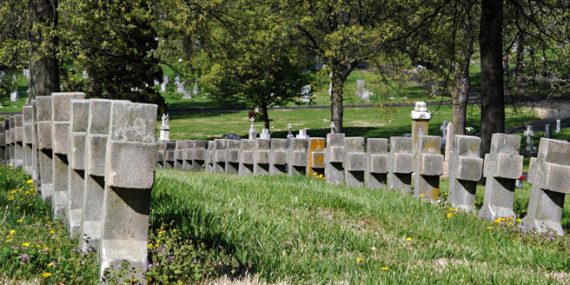
What California law says about private cemeteries, ownership transfer, and removing a dedication — and an open question worth confirming before a sale.
Most Letters of Intent say they aren’t binding — but California courts don’t always agree. Here’s what actually determines whether a Letter of Intent can be enforced against your church, and how to protect yourself before you sign.

Why the ADA doesn’t require churches to admit service animals, how California’s Unruh Act is narrower but not absolute, and why most churches welcome them anyway.

How to perfect a mechanics lien in California. Learn about preliminary notice requirements, filing deadlines with the county recorder, lien enforcement through foreclosure, and the difference between conditional and unconditional lien releases for contractors and suppliers.