
Church Active Shooter Policy After SB 1454
What SB 1454 actually requires, why a written active shooter and use-of-force policy matters under California premises liability law, and what belongs in it.

What SB 1454 actually requires, why a written active shooter and use-of-force policy matters under California premises liability law, and what belongs in it.
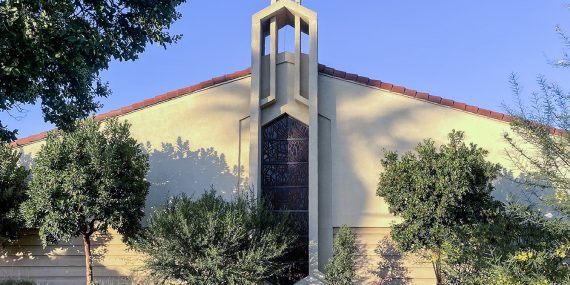
The hardest parts of a church buying property aren’t finding it or negotiating price — they’re financing, confirming the use is actually zoned for, and getting through the conditional use permit process.

Church leases are full of insurance terms that sound interchangeable but are not. Here’s a plain-English guide to the waiver of subrogation, additional insured, indemnity, replacement value, and the other jargon that decides who pays when something goes wrong.
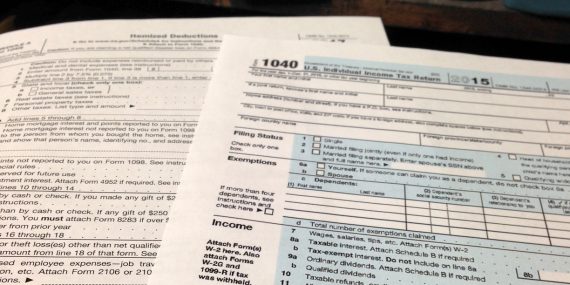
“Your donation is tax deductible” is not always true. Here’s what actually makes deductible donations to a church qualify, the records the IRS requires, the quid-pro-quo traps, and the 2026 OBBBA changes that reshaped church giving for every donor.
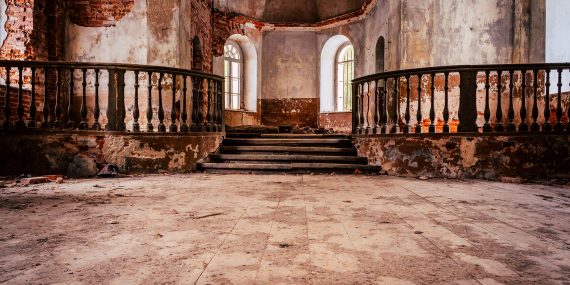
Declining attendance, a mounting maintenance bill, and a building that no longer fits your ministry: these are the signs that raise the question of when should a church sell its property. Here’s how to read them honestly, and what to consider before you commit to a sale.

A church 501(c)(3) application isn’t legally required — churches are automatically tax-exempt. Here’s why many file one anyway, how Form 1023 differs from Form 1023-EZ, and what automatic exemption doesn’t cover.

Trust vs. Estate — most people don’t realize how much this one distinction determines whether a California property transfers in weeks or gets tied up in court for a year or more

How a neighbor’s gate into a church parking lot can become a prescriptive easement—and what California churches must do to prevent or reverse it.

Appraisals and market evaluations serve different legal purposes for churches and nonprofits. Here’s when a USPAP-compliant appraisal is required versus when a broker’s market evaluation is enough.

California’s current small estate thresholds for 2026, the real property-specific procedures most guides skip, and how simplified probate actually works.