Prescriptive Easement: Old Gate, New Problem for Churches
How a neighbor’s gate into a church parking lot can become a prescriptive easement—and what California churches must do to prevent or reverse it.

How a neighbor’s gate into a church parking lot can become a prescriptive easement—and what California churches must do to prevent or reverse it.

Appraisals and market evaluations serve different legal purposes for churches and nonprofits. Here’s when a USPAP-compliant appraisal is required versus when a broker’s market evaluation is enough.

California’s current small estate thresholds for 2026, the real property-specific procedures most guides skip, and how simplified probate actually works.

How unincorporated associations can hold title to real property in California. Understand the legal risks, liability exposure, and why most churches should incorporate before acquiring real estate.

California church property tax exemption rules are often misunderstood. Learn how R&T Code 214.6 works, when shared use becomes taxable, and how churches can stay exempt.

Copier leases, financing, and purchases each carry different consequences when a church closes or merges. Here’s what to weigh before signing.

Closing a California church involves more than locking the doors — a formal vote, winding up affairs, distributing assets to another nonprofit, and filing with the state. Here’s what the process actually requires.
The current legal status of FinCEN’s real estate reporting rule, what it required, and why a church’s nonprofit status wouldn’t have exempted it if the rule is reinstated.

In California, a parsonage is not automatically exempt from property taxes—churches must first obtain an Organizational Clearance Certificate and then file annual county affidavits to prove the home is used exclusively as clergy housing.
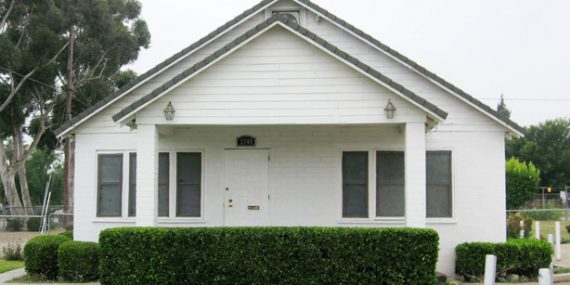
Renting out your church parsonage can risk your property tax exemption and trigger UBIT. Here’s when that happens — and how to protect your exemption.