
Protecting Property: A Guide to Deed Fraud Prevention and Detection
Deed fraud, often referred to as “property theft” or “title theft,” has emerged as a significant threat to property owners, particularly in urban areas with high real estate values.

Deed fraud, often referred to as “property theft” or “title theft,” has emerged as a significant threat to property owners, particularly in urban areas with high real estate values.

Some churches hold rental or investment property through a separate 501(c)(2) title holding corporation rather than in the church’s own name. Here’s how that structure works, and when it actually makes sense.

The Williamson Act cuts property tax on agricultural land in exchange for a long-term development restriction. Here’s what that trade-off means if your church owns, or is considering, rural land.

Seller financing can help a church sell property when a buyer can’t get conventional financing — but California’s anti-deficiency law means the church usually can’t come after the buyer personally if the deal ends in foreclosure.
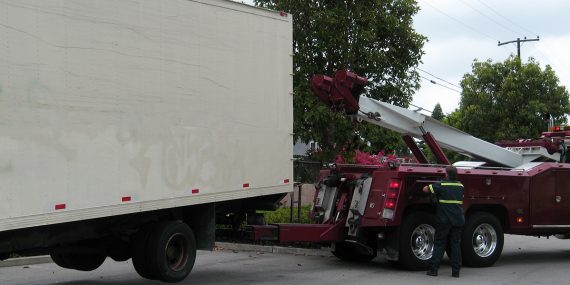
Removing an abandoned or illegally parked vehicle from church property isn’t as simple as calling a tow truck. Here’s what California law requires first.

A probate referee is an individual appointed by the California State Controller to serve as an officer of the court and appraise the value of assets in an estate when someone passes away. This ensures that the estate’s assets are properly evaluated for tax purposes and equitable distribution among heirs. A probate referee is an impartial, independent professional with expertise in appraising various types of assets, including real estate, stocks, bonds, and personal property. Purpose of a Probate Referee: Ensuring Accurate Asset Valuation The primary duty of this role is […]

How 1031 exchanges actually work, and why they’re largely irrelevant for a tax-exempt church selling its own property.
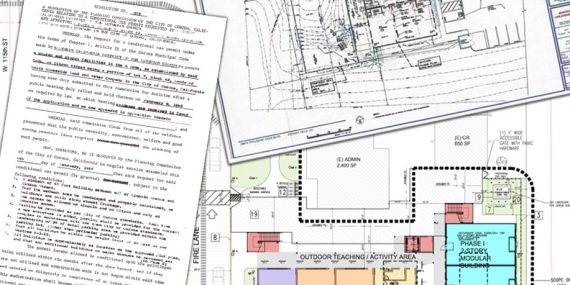
A Conditional Use Permit lets a property owner get approval for a use not automatically allowed by zoning — but the process can take a year or more and costs $10,000-$20,000, with no guarantee of approval.

The main types of commercial leases — triple net, gross, modified gross, percentage, and ground leases — and which ones churches actually encounter.

How a California secured property tax bill is structured, what supplemental and escape assessments are, and when a church-owned property still owes one.