
Independent Contractors
How California’s ABC test determines independent contractor status, the steep misclassification penalties, and why clergy are a separate, dual-status category.

How California’s ABC test determines independent contractor status, the steep misclassification penalties, and why clergy are a separate, dual-status category.

Selling church property takes more than a listing. Learn the five steps every California church must follow: confirming ownership, getting congregational approval, securing the right representation, understanding true value, and giving the Attorney General proper notice before the sale.

That extension cord running under the sanctuary rug is both a fire hazard and a liability risk. Here’s what the California Fire Code actually requires for extension cords, and how a known hazard can put your church on the hook.

Property tax assessments don’t just change when you buy a property — new construction, exemption loss, and even transfers to family members can trigger reassessment. Here’s what actually triggers it, and what Proposition 19 changed.
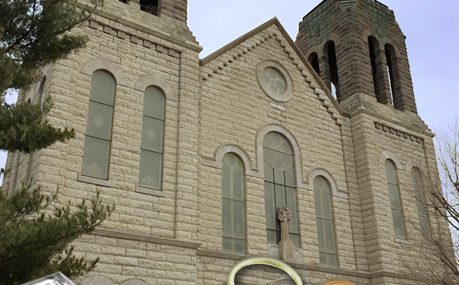
Church financing doesn’t work like a typical commercial loan — most banks won’t touch it. Here’s why, which loan types are actually realistic, and what California law requires before a church can put its property up as collateral.

A corporation in suspension can’t legally sell, transfer, or sign contracts for real property — and its tax-exempt status may be at risk. Here’s what triggers corporations in suspension, the actual penalty amounts, and how to get revived.
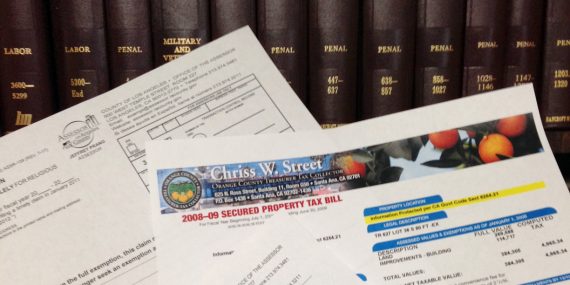
Understand California church property tax exemptions, including Church, Religious, and Welfare Exemptions, filing deadlines, and eligibility requirements.

Community property is the rule of the land in California, and it controls what you can actually leave in a will or trust. Here’s how §760, separate property, commingling, transmutation, and death shape your estate plan.

How a General Plan and zoning ordinance legally relate under California law, and how RLUIPA gives churches specific federal protection in zoning disputes.

Endowments are money or property given to a church with the understanding that the principal stays invested rather than being spent, while the investment earnings support the church’s programs or operations over time. That basic idea is simple. What trips churches up is that endowments aren’t just a financial arrangement — they’re a legal one, governed by a specific California statute that limits how and when the church can actually spend the money. The Law Behind Endowments: California’s UPMIFA California governs institutional endowments through the Uniform Prudent Management of Institutional […]