
Property tax assessments in California generally hold steady, but specific events trigger a reassessment. As a general rule, reassessment happens when there’s a change of ownership, new construction, or when market value declines below the previously assessed value. In the nonprofit world of real property, a reassessment can also occur from the loss of a Church, Religious, or Welfare exemption — covered in a separate article, but its effects on your property tax assessment can be significant.
Otherwise, the assessed value increases by no more than 2% per year. Under Proposition 13, the property tax rate is 1% of assessed value, plus any bonds or fees approved by popular vote. An annual tax bill may also include other direct assessments, special assessments, and levies, which aren’t property taxes and generally aren’t covered by any property tax exemption.
Trigger: Changes in Ownership Drive Property Tax Assessments
Changes in ownership are the most common driver of property tax assessments. The Assessor’s Office reviews all recorded deeds to determine which require reappraisal, and may request additional information about a deed or ownership change. Details about a sale — special financing, or a sale that included personal property — can sometimes result in a lower assessment. The Assessor determines the property’s full cash value as of the date ownership changed.
Trigger: New Construction and Property Tax Assessments
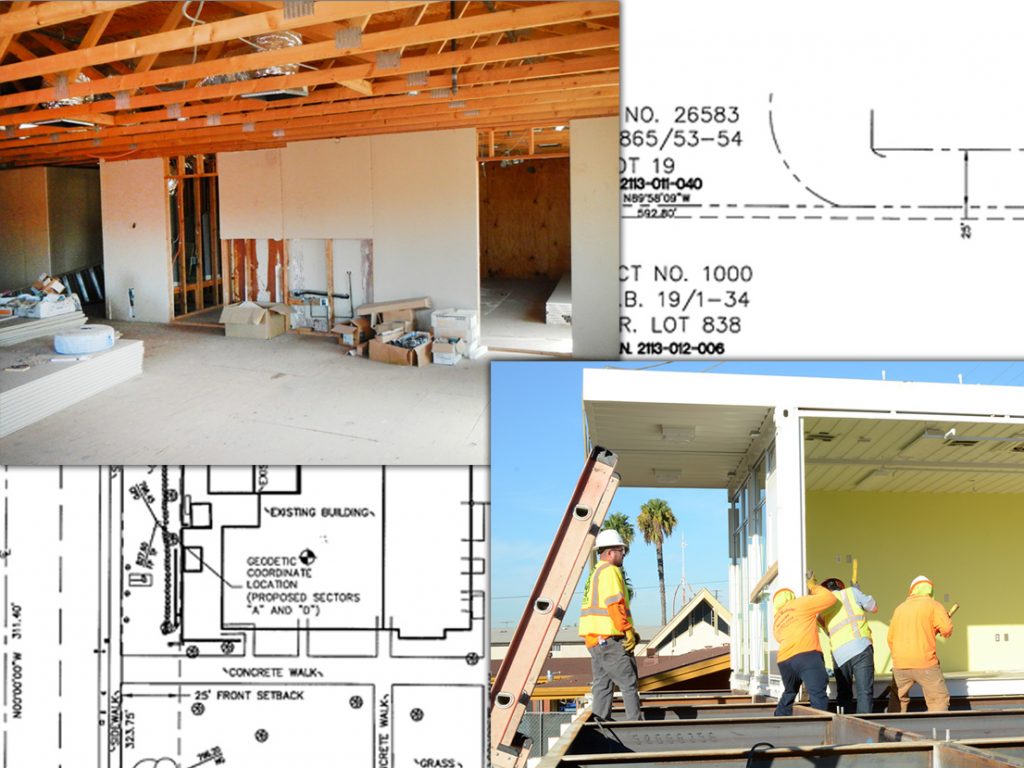
New construction is the second major driver of property tax assessments in California. The Assessor’s Office receives copies of all building permits issued in the county and independently determines whether new construction should be assessed. If so, the value of the new construction is added to the property’s existing assessed value — the previously existing value isn’t generally reassessed.
New construction is appraised at its value as of the date it’s completed. If January 1st arrives before completion, the unfinished construction is appraised at its percentage of completion for that year. New construction not intended for occupancy by the builder/owner may escape taxation until triggered by certain later events. Repairs, replacement, and maintenance generally aren’t considered new construction.
• Supplemental Assessments: a supplemental tax bill may follow a reassessment triggered by a change in ownership or completed new construction — you’ll be notified by mail of the new value and taxes due. If the new value is lower, it may result in a refund.
• Escape Assessments: if a reassessment isn’t processed by the Assessor in time, it’s termed an Escape Assessment — one of the few ways property tax assessments can reach back to correct a prior year. Escape assessments are often triggered by unfiled business property statements, an unrecorded title transfer, failure to report a transfer resulting from an owner’s death, or non-permitted new construction.
Exclusions from Property Tax Assessments
Understanding these exclusions matters as much as understanding the triggers — property tax assessments only change when a transfer actually meets the legal definition of a change in ownership. A transfer of real property can constitute a change in ownership, but the legislature has created exclusions for certain transfer types — for these, the transfer doesn’t trigger a reassessment at all. The following are some of the more common exclusions.
Living Trust
Any transfer of title by an individual to or from a living trust doesn’t generally trigger reassessment. Under Revenue and Taxation Code §62(d), this exclusion applies provided the person transferring the property is the present beneficiary of the trust, or the trust is revocable.
Joint Ownership
Transfers at death are often exempt when title passes from a deceased owner to a joint tenant or tenant in common, provided: the transfer occurs on the death of one joint owner; both owners together held 100% of title as tenants in common or joint tenants; both were on title for at least one year before the death; the property was the principal residence of both owners for at least one year before the death; the surviving owner obtains 100% interest; and the surviving owner signs an affidavit affirming continuous residency for that year.
Community Property
Inter-spousal transfers — from one spouse to another, provided they were married at the time of transfer, or upon the death of one spouse — don’t cause reassessment. This also applies when the transfer results from a divorce or legal separation settlement agreement.
Business Entities
When title is transferred between an individual and a business entity, or between entities, reassessment doesn’t occur provided the transfer is only a change in how title is held (a 100% real estate interest converted into a 100% interest in the entity that owns it) and the proportional interests of the transferors and transferees remain identical afterward for every property involved.
Children and Grandchildren
Transfers between parents and children, or grandparents and grandchildren, are also excluded from reassessment in some circumstances — but this exclusion changed significantly and got substantially narrower under Proposition 19, effective February 16, 2021. Rental and vacation properties no longer qualify at all, and the child must actually make the home their own primary residence within a year of the transfer. See California Proposition 19 for the full mechanics, current dollar thresholds, and filing requirements — this exclusion has enough moving parts to warrant its own dedicated explanation.
Related Articles
California Proposition 19
Holding Title to Real Property
What Type of Business Entity Is Right for Your Church?
Churches and Property Tax Exemptions
Wills and Trust
Disclaimer: Every situation is different and particular facts may vary thereby changing or altering a possible course of action or conclusion. The information contained herein is intended to be general in nature as laws vary between federal, state, counties, and municipalities and therefore may not apply to any given matter. This information is not intended to be legal advice or relied upon as a legal opinion, course of action, accounting, tax or other professional service. You should consult the proper legal or professional advisor knowledgeable in the area that pertains to your particular situation.

