Lot Line Adjustments and Splits in California
Lot line adjustments and lot splits sound similar but trigger very different legal processes. Here’s how each one actually works.
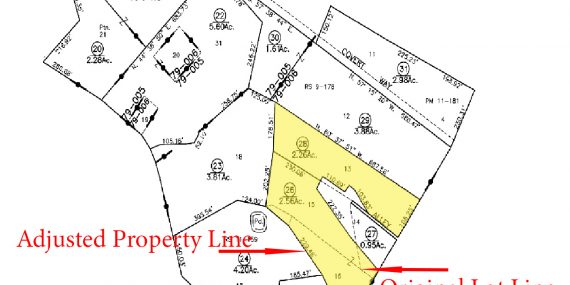
Lot line adjustments and lot splits sound similar but trigger very different legal processes. Here’s how each one actually works.
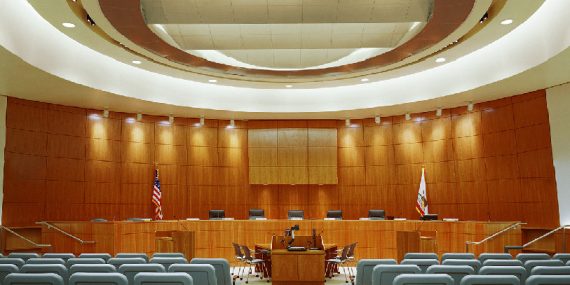
Public hearings come up constantly in church real estate matters — a zoning change, a Conditional Use Permit, a Planned Development, or any redevelopment of church structures often runs into the same requirement along the way. In simple terms, a public hearing is an open gathering where citizens can offer testimony or comment before a public board, commission, or agency makes a significant decision. Understanding how these actually work — and what rights a church has going into one — makes the difference between being prepared and being caught off […]
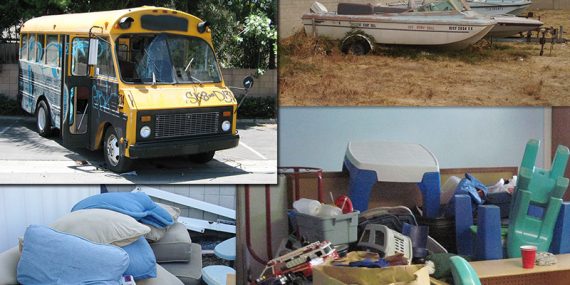
Commercial tenant abandoned property California law changed in 2019, raising the threshold for what a landlord can simply keep or dispose of without a public sale. Here’s the current process, notice requirements, and how to avoid liability for a tenant’s leftover belongings.

Restricted donations bind a church to spend the gift exactly as the donor intended — spend it elsewhere and you risk a breach of fiduciary duty claim. Here’s how to tell a restricted gift from an unrestricted one, and the only lawful ways to change course.
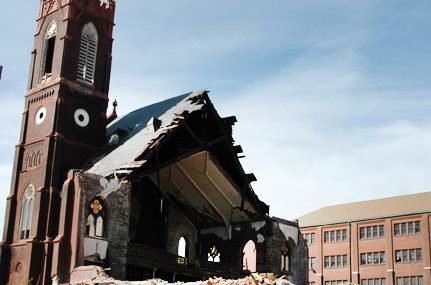
Churches and nonconforming use go hand in hand whenever a congregation predates the zoning around it. Here’s what “grandfathered in” actually protects, how a city can still end that protection, and what to check before you buy or expand.

What the religious service copyright exemption actually covers, what it doesn’t (reproduction, livestreaming), and how most churches close the gap.
CReal property fraud can cost a church hundreds of thousands of dollars in a single wired transaction. Here’s how wire fraud, mortgage fraud, and title schemes actually work, based on FBI and FTC warnings, and the signs that mean you’re already a target.
Security deposits in a commercial lease work nothing like residential ones — no caps on the amount, no automatic accounting requirement, and different refund deadlines depending on why the landlord is keeping part of it. Here’s what actually applies.

General liability insurance is required in nearly every lease or rental agreement, but the coverage itself is rarely the hard part — understanding subrogation, indemnity, and additional-insured endorsements is. Here’s what a property owner actually needs to know.
Premises trespasser liability doesn’t stop at your church’s front gate — California law can hold a church responsible for injuries to trespassers, off-site pedestrians, and everyone in between. Here’s what the law actually requires, and the practical steps that reduce your risk.