
What Churches Need to Know About Copier Agreements
Copier leases, financing, and purchases each carry different consequences when a church closes or merges. Here’s what to weigh before signing.

Copier leases, financing, and purchases each carry different consequences when a church closes or merges. Here’s what to weigh before signing.

Closing a California church involves more than locking the doors — a formal vote, winding up affairs, distributing assets to another nonprofit, and filing with the state. Here’s what the process actually requires.

The current legal status of FinCEN’s real estate reporting rule, what it required, and why a church’s nonprofit status wouldn’t have exempted it if the rule is reinstated.

In California, a parsonage is not automatically exempt from property taxes—churches must first obtain an Organizational Clearance Certificate and then file annual county affidavits to prove the home is used exclusively as clergy housing.
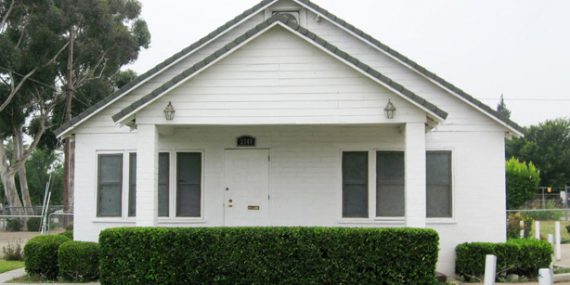
Renting out your church parsonage can risk your property tax exemption and trigger UBIT. Here’s when that happens — and how to protect your exemption.

A trust is like a basket woven for the people left behind. But a gorgeous, empty basket protects no one. Here’s why so many well-meaning church members have a trust that isn’t actually funded, and what to do about it.
Most real estate sales between private parties in California don’t require approval from the Department of Real Estate (DRE). However, DRE oversight may apply when properties are subdivided, interests are offered to the public , or licensed brokers engage in regulated activity.

California’s free transitional kindergarten is now open to every four-year-old, and church preschools are feeling the shift. Here’s what it means for your program, your budget, and your property.

Church solar panels now qualify for a federal cash incentive through Direct Pay. Here’s what churches actually pay upfront, how that incentive changes the math, and the financing, billing, and property tax issues to plan around.
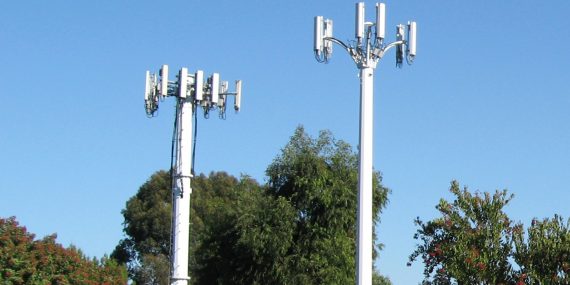
A practical guide to Unrelated Business Income Tax for churches, covering rental income, bingo, cell tower leases, filing requirements, and new deductions under the One Big Beautiful Bill Act.